Inkosikazinkulu
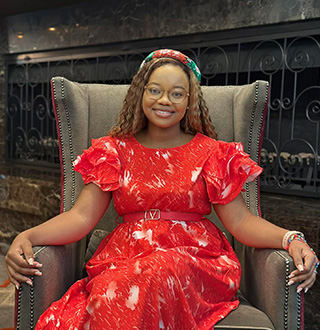
Queen (or Inkosikati) Rishaladza Gomani V celebrates her birthday today. She was actually born 29th February, a day which appears on leap year every four years. She was born a native of South Africa from the Tsonga tribe.
She is the wife of Inkosi ya makosi Mswati Gomani V of Maseko clan of Ngoni people of Malawi. They married in 2019 and have a young daughter Princess born last year 2020.
Queen (or Inkosikati) Rishaladza Gomani V celebrates her birthday today. She was actually born 29th February, a day which appears on leap year every four years. She was born a native of South Africa from the Tsonga tribe.
She is the wife of Inkosi ya makosi Mswati Gomani V of Maseko clan of Ngoni people of Malawi. They married in 2019 and have a young daughter Princess born last year 2020.
Family
Rishaldza Mathebula got married to the love of her life Ngwenyama Inkosi yama Khosi Gomani V in a white Church and traditional wedding ceremony on 2nd November 2019. The new queen or Inkosikati is from South Africa and is a member of the tsonga tribe. The couple were blessed with the first born baby and daughter, Princess (Nkosazana) Thokozile Sarina Gomani on 5th December 2020.
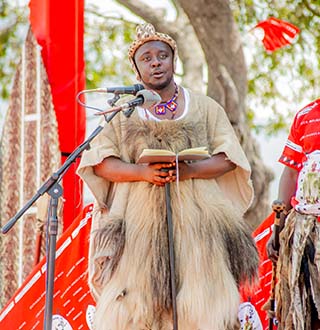


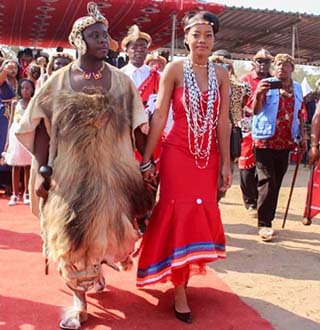
The traditional wedding of Ngwenyama after church wedding
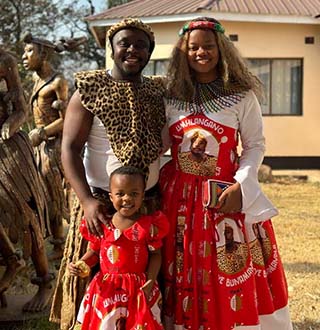
The royal family of Gomani V at Umhlangano in Ntcheu
Education
Royal Duties
Patronages and honorary memberships
Patronage
Expeditions
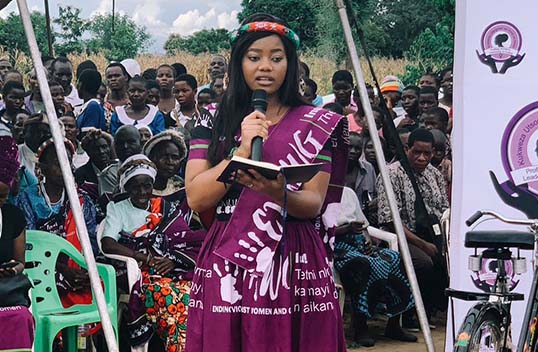
Inkosikazinkulu in Ending Gender Based Violence with World Vision Malawi

Inkosikazinkulu Ntchisi Mountain Hiking
Royal Decrees
The Maseko Ngoni delineate their roots back to the valley of the Usutu River in modern day Swaziland. The Maseko Ngoni also refer to their ‘odyssey from Natal to Malawi.’ It is important that Natal not be confused with present day Natal. In the 18th to 19th century, Natal referred to most of South-East Africa. And Swaziland, being next to KwaZulu Natal would have been part of the Natal region of the time. However the Swati are not restricted to Swaziland and it is stated that there are more Swati in South Africa than in Swaziland. The Kingdom is Swaziland is actually knows in Swati as Umbuso weSwatini. It is also called kaNgwane or Eswatini. In Eswatini, Swazis are not called Swazis but emaSwati, and the language is siSwati, a Nguni language. Sometimes the term bakaNgwane (Ngwane people) is used alternatively to emaSwati, and this is because history indicates that the Ngwane people entered present day Swaziland around 1600. Other records indicate that Ngwane was actually the leader of this group and the group later became known as Ngwane. They settled along the Pongola River, in close proximity to the Ndwandwe people. This is important because it highlights the closeness of the emaSwati to the Ndwandwe. The significance of being called Ngwane will be illustrated later when we discuss the first leader of the Maseko Ngonis. The significance of the emaSwati or bakaNgwane being cousins to the Ndwandwe will also become clear in due course.
Other Royal Members
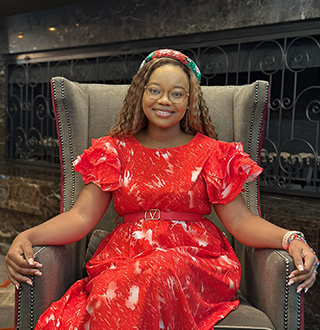
Khanyisa Rishaladza Gomani
Inkosikazinkulu

Princess Thokozile Sarina Gomani
Princess Nkosazana Gomani V
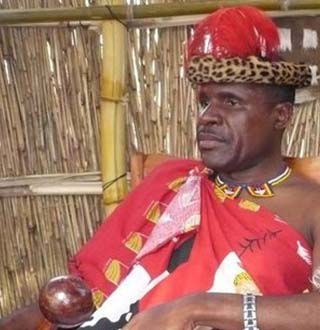
Alex Kanjeza Gomani
Inkosi Yama Khosi Gomani IV
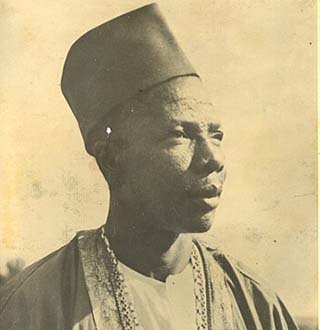
Zitonga Philip Gomani
Inkosi Yama Khosi Gomani II